

The Best Interactive Cat Toys: Keep Your Indoor Cat Busy, Fit, and Happy (2026 Buying Guide)
Meta description: Find the best interactive cat toys for indoor cats, including puzzle feeders, teaser toys, electronic toys, tunnels, and safe DIY enrichment ideas.
Indoor cats need more than food, water, and a comfortable place to sleep. Daily enrichment supports movement, problem-solving, natural hunting behavior, and healthy routines. The right interactive cat toys can also help reduce boredom, destructive scratching, excessive vocalizing, and inactivity.
The best setup combines several toy types rather than relying on one product. Use active toys for supervised play, puzzle toys for mental work, and safe solo toys for independent activity.
Why Indoor Cats Need Interactive Play
Cats are natural hunters. A typical hunting sequence includes searching, stalking, chasing, pouncing, biting, and eating. Indoor life removes many opportunities to perform these behaviors.
Interactive play recreates parts of that sequence in a controlled environment.
Interactive Toys Support Exercise
Running, jumping, batting, and pouncing use a cat’s muscles and joints. Regular activity can help indoor cats maintain a healthy body condition, particularly when food is always available and outdoor movement is limited.
Interactive play does not replace portion control or veterinary guidance. It supports a complete weight-management routine.
Play Helps Reduce Boredom and Stress
Boredom in indoor cats can appear as:
- Scratching furniture
- Knocking objects from shelves
- Excessive grooming
- Persistent vocalizing
- Chasing feet or hands
- Sleeping excessively
- Repetitive pacing
- Attention-seeking behavior
Consistent play gives cats predictable opportunities to explore, chase, and solve problems.
Play Builds a More Complete Indoor Environment
Combine toys with vertical space, scratching areas, hiding places, window views, and comfortable resting spots. For additional environmental ideas, review The Best Cat Window Perches and The Best Cat Trees for Large Cats.
The Main Types of Interactive Cat Toys
Different toys meet different needs. A high-energy kitten may need chase toys, while a senior cat may prefer low-impact puzzles and slow-moving objects.
1. Wand and Teaser Toys
Wand toys imitate birds, insects, or small prey. Move the toy across the floor, behind furniture, around corners, and briefly out of sight. Vary the speed and direction.
Avoid moving the toy continuously in front of the cat’s face. Natural prey movement includes pauses and unpredictable changes.
A feather toy such as Pet Harbor’s Cat Toy Feather Ball can add lightweight movement and texture to supervised play. Allow the cat to catch the toy periodically. End the session with a successful capture.

2. Ball and Rolling Toys
Rolling toys encourage batting, chasing, and independent movement. Select a size that cannot fit entirely inside the cat’s mouth.
Place a rolling ball on a hard, open floor. Use furniture edges and hallway corners to create changing movement patterns. Remove the toy if cracks, loose pieces, or sharp edges appear.
Pet Harbor’s Interactive Toy Balls provide a rolling and batting option. Check the selected size before use and supervise initial sessions to confirm safe interaction.
3. Treat-Dispensing Puzzle Toys
Puzzle toys for cats turn food into an activity. The cat must bat, roll, push, or manipulate the toy to release small portions of food.
Puzzle feeders can help:
- Slow rapid eating
- Add mental stimulation
- Support portion control
- Occupy food-motivated cats
- Replace some passive bowl feeding
Start with an easy puzzle. Place a small amount of the cat’s regular food inside. Increase difficulty only after the cat understands the mechanism.
Do not use puzzle toys to provide unlimited treats. Count all treats and food rewards as part of the daily calorie intake.
4. Electronic Cat Toys
Electronic cat toys use movement, vibration, lights, or rotating components. These toys can support independent activity when human play time is limited.
Prioritize models with:
- Automatic shutoff
- Timers
- Low-noise motors
- Enclosed moving parts
- Secure battery compartments
- Rechargeable or replaceable power options
- Stable bases that resist tipping
Electronic toys should supplement, not replace, supervised play. Some cats lose interest in predictable movement. Change the toy’s location or alternate it with a wand, puzzle, or tunnel.
5. Motion-Activated Toys
Motion-activated toys respond when a cat approaches or touches the device. They work well for cats that investigate objects throughout the day.
Use them in areas with clear space. Keep the toy away from stairs, cords, fragile decorations, and narrow gaps where paws could become trapped.
6. Chase-and-Catch Toys
Chase-and-catch toys include feather balls, rolling objects, track toys, and motorized prey-style toys. They work best when movement follows a complete sequence:
- Begin slowly.
- Encourage watching and stalking.
- Increase speed briefly.
- Allow chasing and pouncing.
- Pause.
- Allow a physical catch.
- End with a small treat or meal when appropriate.
Do not end every session while the cat is still searching. Repeated failure to catch can create frustration, particularly with light-based toys.
7. Tunnels and Ambush Toys
Tunnels create hiding, stalking, and surprise-attack opportunities. Place a teaser toy near one entrance, then move it past the opposite side. Allow the cat to hide and emerge voluntarily.
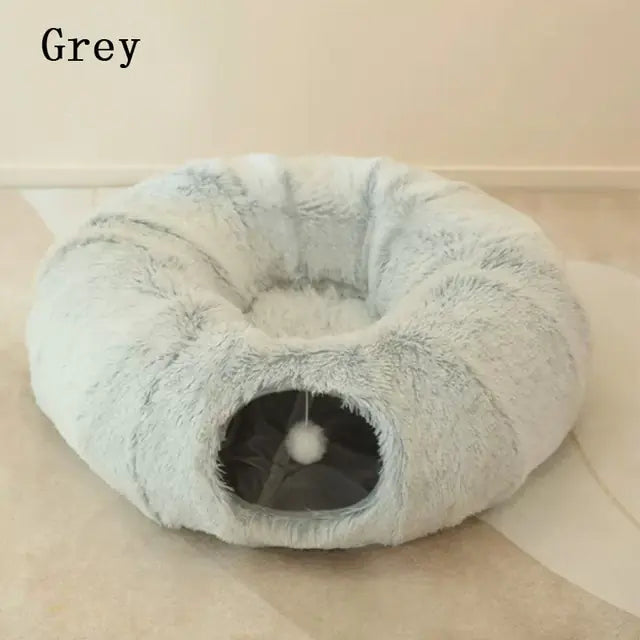
Pet Harbor’s 2 In 1 Round Tunnel Cat Beds combines a tunnel-style play area with a resting space. The product page lists a 95 cm diameter option. Inspect the tunnel regularly for loose fabric, damaged seams, or inaccessible openings.
8. Scratching and Activity Toys
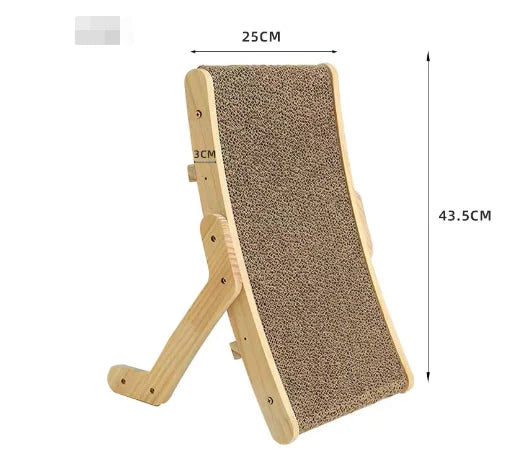
Scratching is both physical activity and normal feline behavior. Place a scratcher near sleeping areas, play zones, and furniture that already attracts scratching.
The Cat Scratch Board provides a dedicated scratching surface. For additional furniture-protection strategies, read How to Stop Cats From Scratching Furniture.
How to Choose the Best Interactive Cat Toys
Prioritize Safety
Select toys made from non-toxic, pet-safe materials. Avoid exposed staples, sharp edges, loose threads, and detachable decorations.
Use this checklist:
- No loose string, ribbon, or elastic left unattended
- No small parts that can be swallowed
- No cracked plastic or damaged seams
- No accessible battery compartments
- No exposed electrical cords
- No openings that can trap paws or jaws
- No strong chemical odor
- No loose feathers or pieces after chewing
Wash fabric and plastic toys according to the manufacturer’s instructions. Discard damaged items instead of repairing them with tape, glue, or loose thread.
Compare Noise Levels
Some cats enjoy electronic toys. Others avoid loud motors, clicking mechanisms, or sudden sounds. Choose quieter toys for timid cats and introduce new devices while the cat is relaxed.
Check Battery and Charging Design
Battery-operated toys should have secured compartments. Rechargeable products should have protected charging ports and cords stored outside the cat’s reach. Never allow a cat to chew a charging cable.
Match the Toy to the Cat
- High-energy cats: Wand toys, rolling balls, tunnels, and chase toys
- Food-motivated cats: Puzzle feeders and treat-dispensing balls
- Cautious cats: Quiet plush toys, tunnels, and slow-moving objects
- Senior cats: Low-impact rolling toys and simple puzzles
- Large cats: Oversized toys with stable construction
- Destructive chewers: Durable, monitored products without detachable parts
A Simple Toy-Rotation Schedule
Cats often stop using toys when every object remains available every day. Rotation preserves novelty.
Weekly Rotation
Keep three to five toys available at one time:
- One wand or teaser toy
- One rolling or batting toy
- One puzzle feeder
- One tunnel or scratcher
- One electronic toy, when appropriate
Store the remaining toys in a closed container. Change two or three items every three to four days.
Daily Example
Morning: Five to ten minutes with a wand toy, followed by breakfast.
Midday: Puzzle feeder using part of the regular meal.
Afternoon: Rolling ball or motion-activated toy for independent activity.
Evening: Ten to fifteen minutes of chase-and-catch play, followed by a physical catch and a calm rest period.
Avoid leaving every toy on the floor. Keep string, ribbon, feather wands, and small parts stored after use.
How Long Should Cats Play?
Individual needs vary. Use energy level, mobility, breathing, and interest as guides.
Kittens
Provide three to five short sessions daily. Begin with five minutes and increase gradually. Avoid excessive jumping, slippery surfaces, and toys small enough to swallow.
Adult Cats
Aim for two to three active sessions per day, usually 10–15 minutes each. High-energy cats may need additional short sessions, climbing opportunities, and puzzle feeding.
Senior Cats
Use two or more gentle sessions daily. Five to ten minutes may be sufficient. Favor floor-level movement, slow wand play, easy puzzles, and soft surfaces. Stop when stiffness, fatigue, or discomfort appears.
Are Laser Pointers Safe?
Laser pointers can provide exercise, but they do not offer a physical object to catch. Never shine a laser directly into a cat’s eyes.
Use a laser for a short session, then transition to a physical toy or treat. This gives the hunting sequence a clear ending. Stop using the laser if the cat shows agitation, obsessive searching, or frustration after play.
DIY Interactive Cat Toy Ideas
DIY enrichment can be simple and inexpensive.
- Place treats inside a paper bag with the handles removed.
- Cut large paw-sized openings in a cardboard box.
- Hide food portions in empty toilet-paper tubes with the ends left open.
- Create a supervised paper-ball batting game.
- Place a toy beneath a blanket and move it slowly.
- Use a cardboard egg carton as a simple food puzzle.
Remove tape, staples, plastic film, rubber bands, and small pieces. Supervise all DIY toys and discard them when damaged.
Frequently Asked Questions
Do cats get bored of toys?
Yes. Cats can lose interest when toys remain constantly available or move predictably. Rotate toys every few days and vary movement, texture, location, and reward.
How many toys does a cat need?
A practical starting point is five to eight toys in rotation, with three to five available at one time. Toy quality, variety, and daily interaction matter more than the total number.
Are laser pointers bad for cats?
Laser pointers are not automatically harmful when used briefly and safely. Never target the eyes. Always finish with a physical toy or treat, and stop if frustration or compulsive searching develops.
Are automated toys worth it?
Automated toys can be useful for independent activity, especially when they include timers, quiet motors, and unpredictable movement. They do not replace human-led play or regular toy inspection.
Build a Better Indoor Cat Play Area
Start with one interactive toy for movement, one puzzle feeder for problem-solving, one tunnel or hiding option, and one dedicated scratching surface. Rotate the selection and match play intensity to age, health, and personality.
For rest after activity, pair the setup with a comfortable Long Plush Cat Bed. Review The Best Cat Beds for Every Sleeping Style for additional sleeping-area guidance.
Shop Pet Harbor’s cat toys and enrichment products to create a safer, more engaging indoor routine. Pet Harbor provides 24/7 customer support and a 30-day return policy for product questions and purchase assistance.
SEO Reporting
- Targeted keyword: interactive cat toys
- Estimated monthly search volume: 74,000
- SEO difficulty: 21
- CPC: $1.26
- Secondary keywords: best interactive cat toys; interactive cat toys for indoor cats; puzzle toys for cats; electronic cat toys; boredom in indoor cats
- Reason for choosing the topic: “Interactive cat toys” has high search demand, moderate-low SEO difficulty, and strong commercial investigation intent. The topic answers practical questions about toy categories, safety, play duration, rotation, and product selection for indoor cats.
- Public URL: https://petharborllc.com/blogs/news/the-best-interactive-cat-toys-keep-your-indoor-cat-busy-fit-and-happy-2026-buying-guide
-
Three ideas for the next articles:
- How to Create an Indoor Cat Enrichment Schedule for Busy Households
- The Best Puzzle Feeders for Cats: Slow Eating and Mental Stimulation Guide
- How to Choose a Safe Cat Tree for Climbing, Scratching, and Resting