

The Best Cat Beds for Every Sleeping Style (2026 Buying Guide)
Meta description: Find the best cat beds for curled-up, stretched-out, anxious, senior, and perch-loving cats. Learn how to choose the right size, materials, support, and washable design.
Cats sleep approximately 12–18 hours per day. A suitable bed supports that sleep while providing warmth, security, comfort, and a location that matches natural behavior. The best cat beds are not selected by appearance alone. Sleeping position, age, mobility, body size, preferred temperature, and cleaning requirements all matter.
This guide explains how to choose a comfortable cat bed for different sleeping styles and household needs.
How to Choose a Cat Bed by Sleeping Style
Observe sleeping habits for several days before buying. The position and location used most often usually indicate the preferred bed design.
| Sleeping style | Recommended bed | Important features |
|---|---|---|
| Curled into a ball | Donut or bolster bed | Raised rim, soft center, warm fabric |
| Stretched across furniture | Flat mat or rectangular bed | Generous length, firm support, low entry |
| Hiding under blankets | Cave or hooded bed | Enclosed structure, stable opening, privacy |
| Sleeping in high places | Window perch or elevated bed | Secure attachment, non-slip surface, weight rating |
| Senior or arthritic | Orthopedic bed | Memory foam, low entry, waterproof protection |
| Cold-seeking | Self-warming or pet-safe heated bed | Temperature control, safety features, supervision |
Curled-Up Sleepers: Donut and Bolster Beds
Cats that sleep tightly curled usually prefer a nest-like surface. A donut or bolster bed creates a soft boundary around the body. The raised rim can support the chin and make the bed feel more enclosed.
Choose:
- A padded center with enough depth to prevent the cat from resting directly on the floor
- A raised edge that supports the head without blocking movement
- Sherpa, fleece, faux fur, or another soft, breathable lining
- A base that stays stable when the cat kneads or circles before lying down
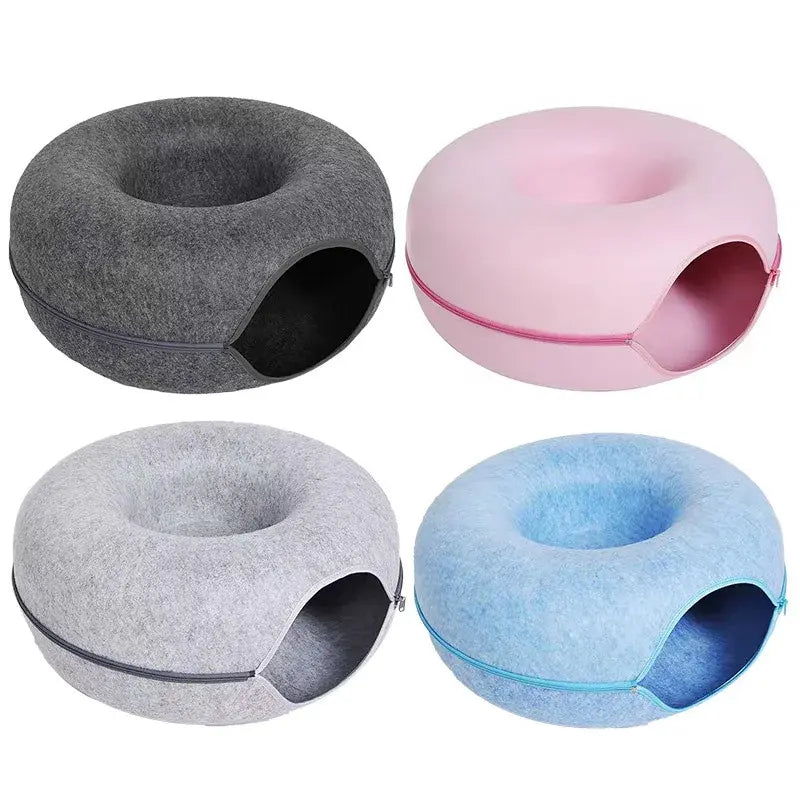
Pet Harbor’s Cat Donut Bed is designed for cats that prefer a rounded resting area with soft surrounding support. Check the current size options before ordering, especially for large cats or multi-cat households.
Stretched-Out Sleepers: Flat Mats and Rectangular Beds
Some cats sleep on their sides with their legs extended. A small round bed can restrict movement and cause the cat to hang over the edge. Select a flat mat, rectangular cushion, or orthopedic mattress-style bed instead.
Choose:
- A sleeping surface longer than the cat’s fully extended body
- Firm, even support that does not collapse under the hips or shoulders
- Low or absent sides for unrestricted stretching
- A non-slip base for hardwood, tile, or other smooth floors
Flat beds also work well for cats that change positions frequently. Place the bed near an established sleeping location, such as a sofa corner, quiet bedroom area, or sunny floor.
Burrowers and Anxious Cats: Cave or Hooded Beds
Cats that sleep under blankets, inside boxes, beneath furniture, or in closets often prefer a private sleeping space. Cave and hooded beds reduce visual exposure and create a den-like environment.
Prioritize:
- A wide, unobstructed entrance
- A structure that does not collapse onto the cat
- A stable base that does not tip or slide
- Enough interior room to turn around and exit easily
- Two openings when possible, especially for nervous cats
The gray cave-style bed shown below illustrates the type of enclosed design that can appeal to cats seeking privacy. Introduce a new cave bed gradually. Place a familiar blanket or toy inside rather than forcing the cat into the space.

Perchers: Elevated Beds, Cat Trees, and Window Spots
Cats often rest where they can monitor the room. Height provides visibility and separation from household traffic. A bed placed on a stable shelf, cat tree, or window perch can satisfy this preference.
Inspect:
- Mounting hardware and attachment points
- Maximum supported weight
- Non-slip fabric or a secure platform
- Clearance from open windows, cords, heaters, and unstable furniture
- An easy route up and down
Do not place an elevated bed where a fall could result in injury. Senior cats and cats with mobility problems may need a floor-level alternative nearby.
How to Size a Cat Bed Correctly
Sizing should reflect both extended and curled sleeping positions.
Measure Nose to Tail Base
Measure from the tip of the nose to the base of the tail. Do not include the tail in the primary body measurement. Add approximately 4–6 inches to the length when selecting a flat or rectangular bed.
For example, a cat measuring 18 inches from nose to tail base generally needs a flat bed with at least 22–24 inches of usable sleeping space.
Measure the Curled Diameter
Watch the cat sleep in a curled position. Measure the widest point across the curled body. Add a few inches for movement and padding compression.
Use the curled measurement for donut, bolster, and enclosed beds. Select a slightly larger bed for cats that change between curled and partially stretched positions.
Avoid oversized cave beds for very small or nervous cats. Excess interior space can reduce the secure, enclosed feeling. For large breeds such as Maine Coons and Ragdolls, prioritize interior dimensions and weight ratings over the product label.
Which Materials Make a Cat Bed Comfortable?
Material affects warmth, skin comfort, durability, and cleaning.
Soft Outer Fabrics
Sherpa, fleece, faux fur, microfiber, and soft cotton can provide comfortable surfaces for daily use. Plush fabrics retain warmth and may appeal to cats that seek blankets, laps, or sunny locations.
Choose tightly woven outer fabric for cats that scratch, knead heavily, or shed significantly. Avoid loose threads, exposed stitching, beads, buttons, or decorative parts that could be chewed or swallowed.
Natural Fibers for Sensitive Cats
Natural cotton and wool can be suitable for cats with sensitivity to synthetic fabrics, provided the material is tolerated and the product is clearly labeled. Avoid heavily scented beds and fabrics treated with unnecessary fragrances.
Monitor for scratching, redness, excessive grooming, or avoidance after introducing any new material. Contact a veterinarian if skin symptoms persist.
Foam and Supportive Fill
Standard fiberfill works for many young, healthy cats. Dense filling provides better shape retention than loose, thin padding. Memory foam or orthopedic foam is more appropriate for cats requiring pressure relief and joint support.
The Best Cat Beds for Senior and Arthritic Cats
Older cats may continue sleeping for long periods but have more difficulty climbing into tall-sided beds. Arthritis, stiffness, reduced balance, and weight changes require a different design.
Select:
- Orthopedic memory foam or high-density supportive foam
- A low step-in entry
- A flat sleeping surface with no sharp transitions
- Enough space to change positions
- A washable cover and waterproof liner
Avoid requiring a senior cat to jump onto a high platform. Place the bed near food, water, and the cat’s preferred resting area to reduce unnecessary movement.
Heated and Self-Warming Beds
Self-warming beds use insulating or reflective materials to retain body heat without an electrical cord. These can suit cats that consistently seek radiators, blankets, or sunny surfaces.
Plug-in heated beds require additional caution. Use only products made for pets with appropriate temperature controls, low-voltage components, and automatic shutoff. Never place a human heating pad under a cat bed without veterinary guidance. Provide enough unheated space for the cat to move away from the warm area.
Easy-Clean Features to Prioritize
Cats shed hair, track litter, and may occasionally produce hairballs or have accidents. A difficult-to-clean bed quickly becomes impractical.
Look for:
- Removable, machine-washable covers
- Cushions that can be fully dried
- Waterproof liners for senior or incontinent cats
- Non-slip bases
- Durable seams and zippers
- Fabrics that release fur with a vacuum or lint roller
Remove loose hair regularly. Wash covers according to the manufacturer’s instructions using a mild, unscented detergent. Avoid strong fragrances that can discourage bed use. Dry the bed completely before returning it to the sleeping area.
A clean bed does not need to smell sterile. Familiar scent can help a cat accept a new resting place. Wash only the removable components when possible and retain a familiar blanket during the transition.
Why Cats Sometimes Ignore a New Bed
A cat may reject a new bed because of location, odor, temperature, size, or design. Use these adjustments:
- Place the bed where the cat already sleeps.
- Add a familiar blanket or toy.
- Keep the bed away from litter boxes, loud appliances, and busy walkways.
- Offer a second style, such as a flat mat alongside a covered bed.
- Avoid moving the bed repeatedly after the cat begins investigating it.
- Allow the cat to enter and leave without interference.
Cats may also prefer several sleeping locations rather than one permanent bed. A practical setup can include a floor-level bed, an enclosed bed, and an elevated resting area.
Find the Right Cat Bed for Daily Comfort
Match the bed to the sleeping style first. Confirm the measurements next. Then evaluate support, materials, safety, and cleaning requirements.
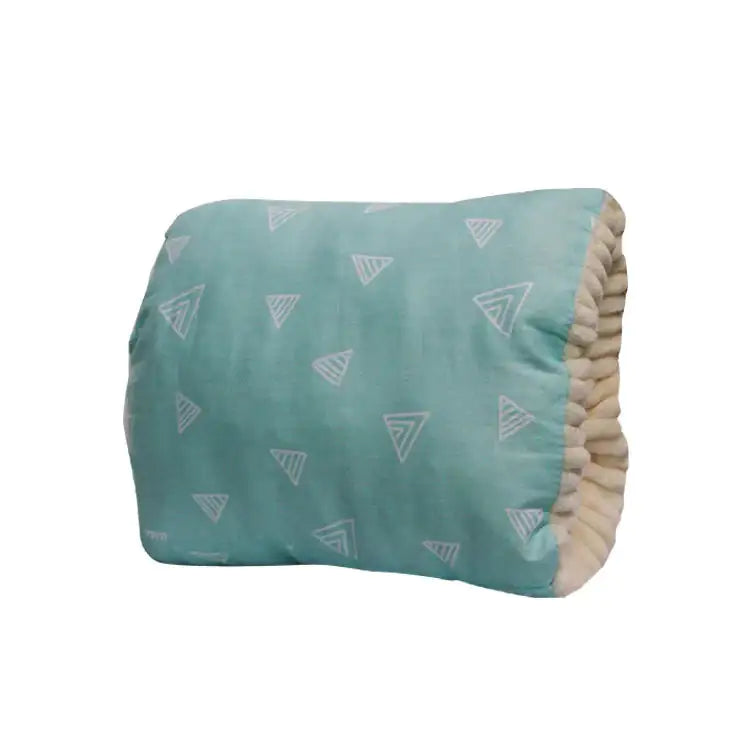
For curled-up sleepers, start with the Pet Harbor Cat Donut Bed. For a compact nest-style option, review the Cozy Nest. Add a Cat Scratch Board near, but not inside, the sleep area to provide a dedicated place for scratching and keep the bed focused on rest.
Browse Pet Harbor LLC for pet comfort products backed by a 30-day return policy and customer support.
SEO and Publication Details
- Target keyword: cat beds
- Estimated monthly search volume: 40,500
- SEO difficulty: 5
- Secondary keywords: best cat beds; comfortable cat bed
- Search intent: Commercial investigation and informational buying guide
- Reason for choosing the topic: High-volume, low-difficulty keyword with strong buying intent. The topic answers common product-selection questions while supporting relevant Pet Harbor bed and cat accessory links.
- Public URL: https://petharborllc.com/blogs/news/best-cat-beds-2026-buying-guide
-
Next article ideas:
- How to Choose the Best Cat Tree for Climbing, Scratching, and Napping
- Orthopedic Pet Beds for Senior Cats: Features That Support Easier Rest
- How to Create a Safe, Enriching Indoor Cat Space