

Dog Paw Licking: Why Dogs Lick Their Paws and How to Stop It (2026 Vet-Backed Guide)
Meta description: Discover why dogs lick their paws, how to identify allergies, infections, pain, parasites, and stress, and how to stop excessive paw licking safely.
Occasional paw licking can be normal grooming. Frequent, intense, or newly developed dog paw licking usually indicates itching, irritation, pain, infection, parasites, or stress.
The pattern provides useful clues:
- One paw: injury, foreign object, cracked nail, burn, or localized pain
- Several paws: allergies, environmental irritation, infection, or parasites
- Licking after outdoor activity: pollen, grass, chemicals, salt, or heat exposure
- Licking during rest or alone time: boredom, anxiety, or compulsive behavior
Home care can reduce surface irritation, but persistent licking requires veterinary diagnosis.
Normal Paw Licking vs. Excessive Paw Licking
Brief licking after a walk, meal, or outdoor activity can remove dirt and debris. Normal grooming should stop without causing skin changes.
Excessive licking includes:
- Repeated licking throughout the day
- Chewing between the toes
- Red or inflamed skin
- Rust-colored saliva staining
- Hair loss
- Cracked or bleeding pads
- Swelling between the toes
- Strong odor
- Discharge, scabs, or open sores
- Limping or guarding one foot
Licking creates moisture and friction. Moisture supports yeast and bacterial growth. Skin damage then increases itching, creating an itch–lick–infection cycle.
Why Does My Dog Lick His Paws?
Allergies and Environmental Irritants
Environmental allergies are common causes of chronic paw licking. Triggers can include:
- Grass and pollen
- Mold
- Dust mites
- Household cleaners
- Lawn treatments
- Road salt and de-icing chemicals
- Hot pavement
- Fragranced grooming products
Allergic dogs may lick multiple paws and also scratch the ears, face, belly, or groin. Symptoms may worsen during spring and summer, although indoor allergens can cause year-round irritation.
Food allergies can also cause paw itching. Common suspected triggers include certain animal proteins, dairy, and other ingredients. Food allergy diagnosis requires a strict veterinary-directed elimination diet, usually lasting 8–12 weeks. Random food changes rarely provide a reliable answer.
Yeast or Bacterial Infection
Repeated licking keeps the paws damp and can promote secondary infection.
Possible signs include:
- Musty or “corn chip” odor
- Darkened or thickened skin
- Redness between the toes
- Pus or discharge
- Crusts or scabs
- Painful bumps
- Swollen webbing
- Hair loss around the paw
Yeast and bacterial infections often require skin cytology and prescription treatment. Routine shampoo cannot reliably treat a deep infection.
Dry or Cracked Paw Pads
Dry air, cold weather, hot pavement, frequent bathing, and harsh floor cleaners can damage paw pads. Cracks may cause licking even without an allergy.
Inspect the pads for:
- Flaking
- Splitting
- Rough texture
- Bleeding
- Discoloration
- Tenderness after walking
Avoid human moisturizers, essential oils, and unapproved creams. Some ingredients are unsafe when swallowed. Use a dog-specific paw product only after veterinary guidance.
Foreign Objects or Injury
A sudden focus on one paw may indicate a splinter, burr, foxtail, piece of glass, torn nail, cut, insect sting, or thermal burn.
Check between the toes, around the nails, and across the pads. Do not force out a deeply embedded object. Do not pull plant material that may break beneath the skin.
Limping, bleeding, swelling, sudden onset, or non-weight-bearing requires prompt veterinary assessment.
Boredom, Anxiety, or Stress
Some dogs lick their paws as a repetitive self-soothing behavior. Common triggers include:
- Long periods without activity
- Separation
- Household changes
- Noise
- Confinement
- Lack of mental stimulation
- Disrupted routines
Behavioral licking should be considered after medical causes are investigated. Punishment can increase anxiety and intensify repetitive behavior.
Arthritis or Other Pain
Dogs may lick areas affected by joint, muscle, or nerve pain. Arthritis can cause licking over the toes, wrists, ankles, or other painful areas.
Additional signs may include:
- Stiffness after rest
- Difficulty climbing stairs
- Reluctance to jump
- Slower walks
- Trouble standing
- Irritability when touched
A veterinarian should assess persistent licking combined with mobility changes.
Fleas, Mites, and Other Parasites
Fleas can cause intense itching even when only a few fleas are visible. Mites and other parasites can also inflame the paws and surrounding skin.
Check for flea dirt, hair loss, crusts, scabs, and generalized itching. Use a veterinarian-approved parasite prevention plan for every household pet. Do not rely on bathing alone to control fleas or mites.

Breed and Seasonal Patterns
Any dog can develop paw irritation, but dogs with allergies, dense coats, skin folds, or sensitive skin may experience greater risk. Commonly affected groups include retrievers, terriers, bulldogs, German Shepherds, poodles, and mixed breeds with similar traits.
Seasonal patterns often indicate environmental exposure:
- Spring and summer: pollen, grass, lawn treatments, hot pavement
- Fall: leaf debris, mold, damp ground
- Winter: salt, ice melt, cold air, dry indoor heating
Year-round licking can involve food reactions, dust mites, fleas, chronic infection, pain, or anxiety. Record the timing, affected paws, outdoor exposure, diet, and visible skin changes for veterinary review.
When to See a Veterinarian
Schedule veterinary care when paw licking:
- Persists beyond a few days
- Returns repeatedly
- Causes redness, hair loss, or raw skin
- Produces odor, discharge, crusts, or bleeding
- Occurs with swelling or infection
- Causes limping or reluctance to walk
- Focuses intensely on one paw
- Continues despite cleaning and drying
Seek prompt care for severe pain, deep cuts, non-weight-bearing, rapidly increasing swelling, heavy bleeding, or suspected toxin or chemical exposure.
Home care is not a substitute for veterinary diagnosis. A veterinarian may perform cytology, skin scrapings, allergy evaluation, dietary trials, radiographs, or other testing.
How to Stop Dog From Licking Paws: A Step-by-Step Plan
1. Check the paws daily
Inspect the pads, nails, webbing, and tops of the feet. Look for burrs, cracks, redness, swelling, odor, discharge, and foreign objects.
Perform checks after walks during periods of high pollen, extreme heat, snow, or ice-melt exposure.
2. Clean after outdoor activity
Rinse or wipe the paws after walks. Remove grass, pollen, dirt, salt, and chemical residue.
Use clean water and a soft, dog-safe grooming tool. Pet Harbor’s Pet Shower Sponge can support gentle cleaning during routine grooming. Avoid aggressive scrubbing over irritated skin.
For broader bathing guidance, review How Often to Bathe a Dog: Vet-Approved Frequency by Coat Type (2026 Guide).
3. Dry between the toes
Moisture trapped between the toes encourages microbial growth. Pat the paws dry with a clean towel. Check the webbing carefully, especially after rinsing or wet-weather walks.

4. Manage suspected allergies
Reduce exposure to known triggers. Avoid treated lawns, harsh floor cleaners, heavily fragranced products, and hot pavement when possible.
Use a veterinarian-approved allergy plan. A gentle dog shampoo may remove surface allergens, but shampoo cannot cure food allergies, mites, or chronic dermatitis. Review Best Dog Shampoo for Itchy Skin: A Complete Buying Guide (2026) before selecting grooming products.
5. Add exercise and enrichment
Provide daily physical activity appropriate for age, breed, health, and weather. Add scent games, short training sessions, food puzzles, supervised play, and chew time.
Redirect licking calmly toward an appropriate toy. Pet Harbor’s Croc Dental Chew and the durable chew toy guide can help with chew-toy selection. Choose puppy teething toys according to age, size, material, and chewing intensity.
Inspect every toy and remove damaged pieces immediately.
6. Improve rest and anxiety management
Create a predictable routine. Provide a quiet resting area, gradual alone-time training, and calm departures. Avoid punishment for licking.
A supportive bed can improve rest for senior dogs or dogs with joint discomfort. Browse Pet Harbor’s home and comfort collection for current cozy and orthopedic bed availability.
For crate-related stress, review How to Crate Train a Dog: Step-by-Step Guide for Puppies and Adults (2026).
7. Support hydration
Fresh water supports normal skin and overall health. A circulating fountain may encourage drinking in dogs that prefer moving water, but hydration does not treat allergies or infection.
Review Dog Water Fountains: The Complete Guide to Hydration, Health, and Picking the Right One (2026). Keep a clean standard bowl available during cleaning, power interruptions, or fountain hesitation.
Pet Harbor Grooming and Comfort Products
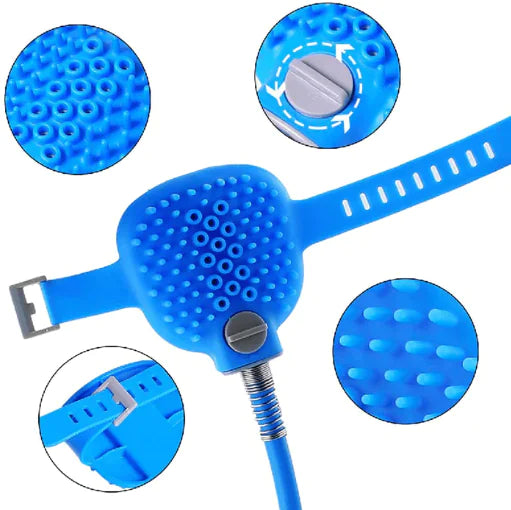
Use diagnosis first. Add supportive care second.
Pet Harbor grooming options include the FurryFoot Spa, Pet Shower Sponge, and Pet Hair Remover Brush. These products support routine cleaning and coat care; they do not replace treatment for infection, injury, parasites, allergies, or pain.
Final Recommendation
Track the licking pattern. Check the paws daily. Clean and dry after outdoor exposure. Control allergens and parasites with veterinary guidance. Increase enrichment and reduce stress. Arrange veterinary care when licking persists beyond a few days or causes redness, hair loss, swelling, infection, limping, or pain.
Shop Pet Harbor’s pet-care products for grooming, comfort, enrichment, and hydration support. Products are backed by a 30-day return policy and 24/7 customer support.
SEO and Publishing Details
- Targeted keyword: dog paw licking
- Secondary keywords: why does my dog lick his paws; how to stop dog from licking paws
- Estimated monthly search volume: 22,200
- SEO difficulty: 0
- CPC: $2.19
- Reason for choosing the topic: High-volume pet-care search intent with zero reported keyword difficulty. The topic answers a common veterinary question and connects naturally with Pet Harbor grooming, bedding, enrichment, and hydration products.
- Public PetHarborLLC.com URL: https://petharborllc.com/blogs/news/dog-paw-licking-why-dogs-lick-their-paws-and-how-to-stop-it-2026-vet-backed-guide
- Suggested improvements for approval: Add confirmed live URLs for Pet Harbor’s dog shampoo, orthopedic dog bed, puppy teething toy, and automated dog fountain when those product listings are available.
-
Three ideas for next articles:
- Dog Red Paws Between Toes: Causes, Home Care, and When to See a Vet
- How to Clean Dog Paws After Walks Without Drying the Skin
- Dog Allergies vs. Fleas: How to Compare Symptoms and Treatment Steps