

How Often to Bathe a Dog: Vet-Approved Frequency by Coat Type (2026 Guide)
Meta description: Learn how often to bathe a dog based on coat type, activity level, and skin health. Includes bathing schedules, warning signs, and a step-by-step dog bath guide.
How often should a dog be bathed?
Most healthy dogs need a bath every 3 to 8 weeks, but the correct schedule depends on coat type, activity level, environment, and skin health.
Use these ranges as a starting point:
- Hairless dogs: About once a week
- Long or silky coats: Every 2–3 weeks
- Curly or wavy coats: Every 3–6 weeks
- Short or smooth coats: Every 4–6 weeks
- Double-coated dogs: Every 8–12 weeks
A dog that spends substantial time outdoors, swims, rolls in dirt, or develops an oily coat may need bathing sooner. A mostly indoor dog with a healthy, well-maintained coat may need less frequent bathing.
Regular brushing, spot cleaning, and paw washing can extend the time between full baths.
Dog bathing frequency by coat type
Hairless dogs: weekly
Hairless breeds, including the Chinese Crested and Xoloitzcuintli, often require weekly baths. Without a full coat, skin oils, dirt, and environmental debris remain directly on the skin.
Use a gentle, dog-specific shampoo. Rinse completely and dry the skin thoroughly. Ask a veterinarian about a moisturizing product if the skin becomes dry, flaky, or irritated.
Sunscreen and other skin products should only be used when specifically formulated for dogs or recommended by a veterinarian.
Long or silky coats: every 2–3 weeks
Long and silky coats collect dirt, allergens, and moisture. Fine hair also tangles quickly, especially around the ears, legs, armpits, and tail.
Examples include:
- Maltese
- Shih Tzu
- Yorkshire Terriers
- Havanese
- Afghan Hounds
- Collies
Brush the coat before every bath. Remove loose tangles before adding water because water can tighten knots. A long-coated dog may require professional grooming between baths to prevent matting.
Curly or wavy coats: every 3–6 weeks
Curly and wavy coats trap debris close to the skin. Curls also mat when brushing and drying are inconsistent.
Examples include:
- Poodles
- Bichon Frises
- Labradoodles
- Goldendoodles
- Portuguese Water Dogs
Dogs with tightly curled coats often need bathing near the three-week end of the range. Dogs with regularly brushed and trimmed coats may remain comfortable for up to six weeks.
Never use a bath to hide severe matting. Mats can pull on the skin and cause pain. A professional groomer or veterinarian should handle extensive matting.

Short or smooth coats: every 4–6 weeks
Short-coated dogs usually shed dirt more easily and require less coat maintenance. Examples include:
- Beagles
- Boxers
- Great Danes
- Doberman Pinschers
- French Bulldogs
- Short-haired mixed breeds
A short coat does not automatically require frequent bathing. Overbathing can dry the skin, particularly when harsh products or hot water are used.
Use a damp cloth for light dirt between baths. Bathe sooner after exposure to mud, strong odors, salt water, or substances that may irritate the skin.
Double-coated dogs: every 8–12 weeks
Double-coated dogs have a soft undercoat and a protective outer coat. Examples include:
- Siberian Huskies
- German Shepherds
- Golden Retrievers
- Labrador Retrievers
- Chow Chows
- Australian Shepherds
These coats depend on regular brushing to remove loose undercoat and distribute natural oils. Bathing too often can strip those oils and leave the skin dry or itchy.
The eight-to-twelve-week range applies to many healthy double-coated dogs with consistent brushing. Active dogs, heavy shedders, and dogs that swim may require adjustments.
Do not shave a double-coated dog unless a veterinarian recommends it for a medical reason. The coat helps regulate temperature and protect the skin.
How activity level changes the bathing schedule
Coat type provides the baseline. Daily habits determine when the next bath is necessary.
Bathe or rinse a dog sooner after:
- Playing in mud or stagnant water
- Swimming in a pool, lake, or ocean
- Rolling in feces, dead animals, or strong-smelling substances
- Spending extended time outdoors
- Developing a greasy or visibly dirty coat
- Contact with a substance that may cause skin irritation
A freshwater rinse can remove chlorine, salt, sand, and loose debris after swimming. A full shampoo bath may not be necessary after every swim unless the coat remains dirty or oily.
Never delay veterinary advice after contact with a potentially toxic chemical, pesticide, cleaning product, or unknown substance. Call a veterinarian or animal poison-control service before bathing if the substance could react with water or spread across the skin.
Signs that it is time for a dog bath
Use the coat and skin condition as the primary guide. Common signs include:
- Persistent odor that remains after brushing
- Visible dirt, mud, or debris
- Greasy or sticky fur
- Coat discoloration from outdoor activity
- Residue from salt water or chlorine
- Skin oils accumulating around the neck, tail, or ears
- Exposure to an irritating substance
- A veterinarian’s recommendation for routine or medicated bathing
Do not use odor alone as a reason for repeated bathing. A strong or unusual smell can indicate yeast, bacterial infection, ear disease, dental disease, or another medical problem.
Why overbathing can cause problems
Frequent bathing can remove protective oils from the skin and coat. The result may include:
- Dry or flaky skin
- Increased scratching
- Redness
- Dull or brittle fur
- Skin sensitivity
- Increased irritation from grooming products
Human shampoo should not be used on dogs. Human products are formulated for human skin and may not match canine skin requirements. Select a dog-specific, pH-balanced shampoo and follow the product label.
Medicated shampoo is different from routine grooming shampoo. Use medicated products only according to veterinary instructions, including the correct contact time and bathing frequency.
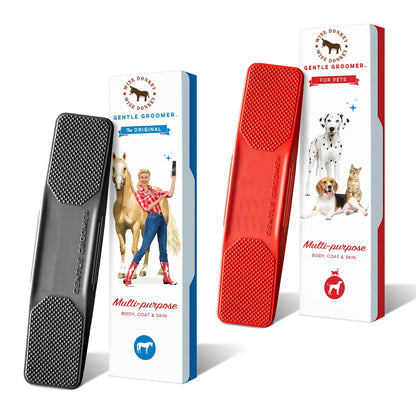
For coat maintenance between baths, use a suitable brush. The Pet Gentle Groomer Brush is designed for routine coat care and can help remove loose debris before bath time. See the Pet Harbor grooming essentials for additional pet-care products.

For persistent itching, review Best Dog Shampoo for Itchy Skin: A Complete Buying Guide. A shampoo can support routine cleaning, but it cannot diagnose or resolve every cause of itching.
How to bathe a dog properly
1. Brush the coat first
Brush from head to tail. Remove loose fur, dirt, and manageable tangles. Do not force a brush through painful mats.
Brushing before the bath allows water and shampoo to reach the skin more evenly. It also reduces loose fur in the tub and helps shorten drying time.
2. Prepare the bathing area
Use a tub, sink, shower, or suitable outdoor bathing area. Place a non-slip mat on the floor of the tub to improve stability.
Gather all supplies before bringing the dog into the bathing area:
- Dog-specific pH-balanced shampoo
- Brush or comb
- Non-slip mat
- Several clean towels
- Cup or low-pressure sprayer
- Washcloth for the face
- Optional dog-safe conditioner
3. Use lukewarm water
Set the water temperature to approximately 37–39°C. Test the water on the inside of the wrist before wetting the coat.
Avoid hot water. Hot water can irritate the skin and cause discomfort. Avoid high-pressure spray around the face, ears, and eyes.
4. Wet the coat completely
Start at the shoulders and work toward the tail. Keep water away from the eyes and inside of the ears.
Dense or double coats require extra time. Separate the coat with the fingers to ensure the water reaches the skin.
5. Apply dog shampoo
Apply a small amount of dog-specific shampoo. Follow the dilution instructions on the label if dilution is required.
Massage the shampoo into the body, legs, chest, belly, and tail. Use a washcloth around the face instead of applying shampoo directly near the eyes or mouth.
Do not scrub aggressively. Firm rubbing can irritate the skin and create tangles.
6. Rinse thoroughly
Rinse from the neck toward the tail. Continue until the water runs clear and no slippery residue remains.
Leftover shampoo can cause itching, dryness, and irritation. Give extra attention to the armpits, groin, belly, paws, and areas beneath thick fur.
7. Towel dry
Press towels against the coat to absorb water. Avoid vigorous rubbing on long, curly, or silky coats because rubbing can create tangles.
Keep the dog warm while the coat dries. A dog-safe dryer on a low, cool-to-warm setting may be used if the dog tolerates it. Do not use high heat or direct hot air on the skin.
8. Brush after drying
Brush the coat once it is mostly dry, using the correct tool for the coat type. Curly and long coats may require section-by-section brushing to prevent hidden tangles.
Check the skin during brushing for redness, scabs, swelling, parasites, unusual bumps, or areas of hair loss.
When to see a veterinarian
Contact a veterinarian when bathing concerns involve more than ordinary dirt or odor. Veterinary evaluation is recommended for:
- Persistent or severe itching
- Red, inflamed, cracked, or painful skin
- Hair loss or bald patches
- Scabs, sores, crusts, or bleeding
- Repeated skin infections
- Strong skin odor that returns quickly
- Greasy scaling or heavy dandruff
- Fleas, mites, or other suspected parasites
- Ear odor, discharge, head shaking, or frequent scratching
- Sudden changes in coat or skin condition
A veterinarian may recommend allergy management, parasite control, diagnostic testing, or a medicated bathing schedule. Follow that schedule instead of a general coat-type range.
Final bathing schedule
Start with the coat-type range. Adjust for activity and environment. Monitor skin condition. Brush regularly. Use dog-specific shampoo. Reduce bathing frequency if dryness or irritation develops. Increase frequency only when the coat, lifestyle, or veterinary treatment requires it.
For regular coat preparation, use the Pet Gentle Groomer Brush. For additional grooming guidance, review Pet Harbor’s dog shampoo for itchy skin guide. Contact a veterinarian for ongoing skin symptoms.
SEO and publishing details
- Targeted keyword: how often to bathe a dog
- Estimated monthly search volume: 5,400
- SEO difficulty: 2
- Reason for choosing the topic: High search demand, low reported SEO difficulty, and strong informational and product-support intent. The topic answers a recurring dog-care question while creating relevant opportunities to recommend grooming tools and dog-specific bathing products.
- Public URL: https://petharborllc.com/blogs/news/how-often-to-bathe-a-dog
Three ideas for the next articles
- How Often Should You Brush a Dog? Schedule by Coat Type and Shedding Level
- How to Dry a Dog After a Bath Without Causing Mats or Skin Irritation
- Dog Bathing Mistakes: 10 Common Errors and Safer Alternatives