

How to Reduce Dog Shedding: A Vet-Backed Guide for Every Coat Type (2026)
Meta description: Learn how to reduce dog shedding with coat-specific brushing, bathing, nutrition, hydration, and home-cleaning strategies. Includes signs of excessive shedding that require veterinary care.
Dog shedding is normal. Healthy dogs naturally release old or damaged hair as part of the coat-growth cycle. Shedding cannot be eliminated, but the amount of loose hair around the home can be reduced with consistent grooming and good skin care.
The most effective routine depends on coat type, breed, season, age, lifestyle, and overall health. This guide combines practical grooming advice with guidance from the ASPCA, Texas A&M School of Veterinary Medicine, and VCA Animal Hospitals.
Why Dogs Shed
Hair grows in cycles. Old hairs eventually fall out to make room for new growth. The process varies significantly between breeds.
Coat Type
Dogs with short, smooth coats, such as Boxers and Beagles, may shed small amounts throughout the year. Long-haired dogs may release more visible hair, even when their overall shedding rate is not unusually high.
Double-coated breeds, including Labradors, Golden Retrievers, German Shepherds, Huskies, and Australian Shepherds, have a soft insulating undercoat beneath a protective outer coat. These dogs often experience heavier shedding during seasonal coat changes, especially in spring and fall.
Curly- or wool-coated dogs, such as Poodles and Bichon Frises, may shed less hair into the home. However, loose hair can remain trapped in the coat and contribute to mats if brushing is inconsistent. “Low-shedding” does not mean maintenance-free.
Seasonal Shedding
Changes in daylight and temperature can trigger heavier shedding. Dogs that spend most of their time indoors may shed more evenly throughout the year because artificial lighting and climate control reduce seasonal variation.
A temporary increase in loose hair during spring or fall is usually normal. A sudden increase outside the dog’s usual pattern requires closer observation.
Normal Shedding vs. Excessive Hair Loss
Normal shedding should not create bald patches, open sores, or significant skin discomfort.
Contact a veterinarian if shedding occurs with:
- Bald spots or thinning areas
- Redness, scabs, sores, or crusting
- Persistent scratching, licking, or chewing
- Strong skin odor
- Greasy, flaky, or painful skin
- Fleas, flea dirt, mites, or suspected parasites
- Sudden changes in coat texture
- Weight change, lethargy, increased thirst, or changes in appetite
Excessive hair loss can be associated with parasites, allergies, bacterial or fungal infections, nutritional problems, medication reactions, hormonal disease, or other medical conditions. Repeatedly changing shampoos will not resolve an undiagnosed health problem.
How to Reduce Dog Shedding With a Consistent Routine
1. Brush According to Coat Type
Brushing is the most reliable way to remove loose hair before it reaches floors, furniture, bedding, and clothing. It also distributes natural oils and provides an opportunity to inspect the skin.
Use the following schedule as a starting point:
| Coat type | Recommended brushing frequency | Useful tools |
|---|---|---|
| Short, smooth coat | 1–3 times weekly | Rubber curry brush, grooming glove, bristle brush |
| Short, dense coat | 2–4 times weekly | Bristle brush, rubber brush, shedding tool |
| Double coat | 3–4 times weekly; daily during peak shedding | Slicker brush, undercoat rake, deshedding tool |
| Long, silky coat | Daily or nearly daily | Pin brush, slicker brush, metal comb |
| Curly or wool coat | Daily or nearly daily | Slicker brush and metal comb |
Texas A&M recommends brushing for approximately 5–10 minutes three or four times per week as a practical shedding-management routine. Adjust the duration if the dog becomes uncomfortable or the skin appears irritated.
Brush in small sections. Use light pressure. Check behind the ears, under the legs, around the collar, across the belly, and near the tail. Stop if the dog shows pain.
A useful Pet Harbor Pet Hair Remover Brush can support routine coat maintenance and help collect loose hair before it spreads through the home.
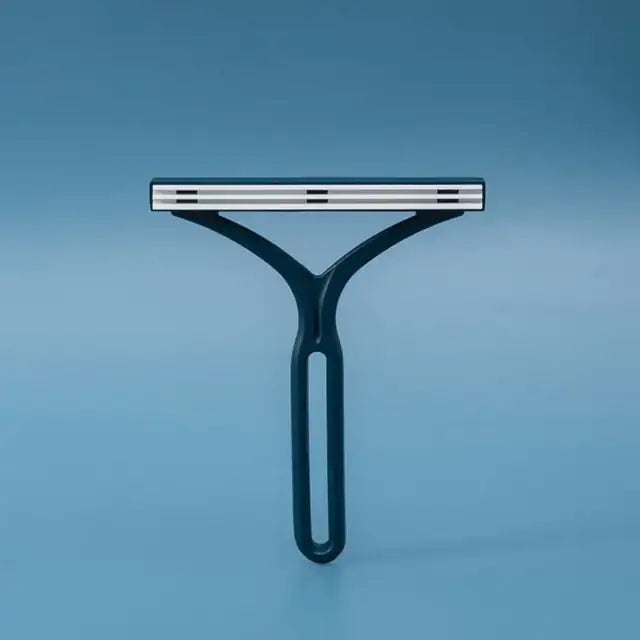
2. Select the Best Brush for Shedding Dogs
The best brush for shedding dogs is the brush that matches the coat and can be used without pulling or scraping the skin.
- Use a rubber brush or grooming glove for short coats.
- Use a slicker brush for curly, wavy, or easily tangled coats.
- Use a pin brush and metal comb for long coats.
- Use an undercoat rake or deshedding tool for dense double coats.
Do not use a deshedding blade aggressively or repeatedly over the same area. Excessive tool use can irritate the skin or remove healthy topcoat hair. Never cut through mats with scissors close to the skin. Severe mats require a professional groomer or veterinarian.
3. Bathe With a Dog-Specific Shampoo
Bathing loosens dead hair and removes dirt, pollen, and skin debris. Brush the coat before bathing to remove tangles and loose fur. Wetting a matted coat can tighten the mats.
Most healthy dogs need occasional bathing based on coat condition, lifestyle, and skin health. Use the guidance in How Often to Bathe a Dog: Vet-Approved Frequency by Coat Type as a starting point.
Choose a dog-specific, pH-balanced formula. Avoid human shampoo, heavily fragranced products, and harsh detergents that may dry or irritate canine skin. A deshedding dog shampoo may help loosen dead undercoat when used according to the label, but it cannot treat fleas, allergies, infection, or hormonal disease.
For dogs with itchy or reactive skin, review Best Dog Shampoo for Itchy Skin: A Complete Buying Guide. Use medicated shampoo only under veterinary direction.
Rinse thoroughly. Shampoo residue can cause itching. Dry the coat completely, then brush again once it is mostly dry. A Pet Harbor Pet Shower Sponge can help apply grooming products evenly during bath time.

4. Support Skin and Coat Health With Nutrition
Feed a complete and balanced diet appropriate for the dog’s life stage. Adequate protein and essential fatty acids support normal skin and coat function.
Do not add fish oil, biotin, or other coat supplements without veterinary guidance. Supplements can interact with medications, provide excessive nutrients, or be inappropriate for dogs with certain medical conditions.
Provide fresh water throughout the day. Hydration supports normal skin function, although increased water intake will not independently stop normal shedding. A water fountain may be useful for dogs that drink poorly; review Pet Harbor’s dog hydration guide for practical considerations.
5. Manage Dry Indoor Air and Irritants
Dry indoor air can contribute to flaky, uncomfortable skin in some dogs, particularly during cold weather. Keep the home comfortably humidified without creating damp conditions that encourage mold.
Reduce common irritants by:
- Washing bedding with fragrance-free detergent
- Rinsing paws after outdoor activity
- Cleaning grooming tools regularly
- Avoiding unnecessary perfumes and coat sprays
- Maintaining veterinarian-approved flea prevention
- Keeping sleeping areas clean and dry
Do not assume that all shedding is caused by dry air. Persistent itching, odor, or inflammation requires veterinary evaluation.
Reduce Loose Hair Around the Home
Grooming controls shedding at the source. Cleaning controls the hair that remains.
Vacuum carpets, furniture, and corners regularly. Use washable throws on high-traffic furniture. Wash dog bedding according to the care label and remove loose hair before laundering.
A washable dog bed can simplify cleanup during heavy shedding seasons. The Best Washable Dog Beds: A Complete Buying Guide explains which features support easier maintenance, including removable covers and durable, cleanable materials.

For households with multiple pets, clean grooming areas separately from food-preparation surfaces. Dispose of collected fur promptly, particularly if the dog has fleas or a suspected contagious skin condition.
Do Not Shave a Double-Coated Dog to Stop Shedding
Shaving does not stop the biological shedding cycle. It removes the protective outer coat and can expose the skin to sunburn, temperature extremes, and irritation. In some dogs, coat regrowth may be delayed or uneven.
Use brushing, bathing, professional deshedding, and veterinary guidance instead. A groomer can recommend the safest approach for a dense, matted, or difficult-to-maintain coat.
When Shedding Requires a Veterinary Examination
Schedule an appointment when shedding is sudden, patchy, or accompanied by skin changes. A veterinarian may evaluate for:
- Fleas, mites, or other parasites
- Environmental or food allergies
- Yeast, bacterial, or fungal infection
- Thyroid or adrenal disease
- Nutritional imbalance
- Medication effects
- Excessive licking caused by pain or stress
The ASPCA dog grooming guide recommends veterinary attention for bald patches, skin irritation, scratching, constant licking, and dull or easily pulled-out hair.
A Simple Weekly Shedding Plan
Use this routine for most healthy dogs:
- Brush with a coat-appropriate tool several times per week.
- Increase brushing during seasonal shedding.
- Bathe with dog-specific shampoo when the coat is dirty or according to veterinary instructions.
- Rinse and dry thoroughly.
- Feed a complete, balanced diet.
- Provide fresh water.
- Wash bedding and vacuum regularly.
- Check the skin for redness, parasites, sores, and bald areas.
- Contact a veterinarian when shedding changes suddenly or causes discomfort.
Normal shedding is manageable. Consistency matters more than using multiple products.
SEO and Publishing Details
- Targeted keyword: how to reduce dog shedding
- Estimated monthly search volume: 3,600
- SEO difficulty: 7
- Secondary keywords: dog shedding, how to stop dog shedding, best brush for shedding dogs, deshedding dog shampoo
- Why this topic was chosen: High search volume, low competition, strong evergreen traffic potential, and a natural connection to Pet Harbor grooming supplies and easy-to-clean dog beds.
- Public URL: https://petharborllc.com/blogs/news/how-to-reduce-dog-shedding
Three Ideas for Next Articles
- How Often Should You Brush a Dog? A Coat-Type Schedule for Every Breed
- Dog Grooming Tools Explained: Slicker Brushes, Undercoat Rakes, and Combs
- How to Clean Dog Hair From Carpets, Furniture, and Bedding
For a cleaner coat-care routine, choose the grooming tool that fits the coat, maintain a washable resting area, and contact Pet Harbor support for help selecting suitable pet-care products.