

How to Crate Train a Dog: Step-by-Step Guide for Puppies & Adults (2026)
Meta description: Learn how to crate train a dog with practical steps for puppies, adult dogs, and rescues, including crate sizing, whining, overnight training, timelines, and safe crate limits.
Crate training gives a dog a predictable resting space. When introduced gradually, a crate can support house-training, prevent unsafe chewing, simplify travel, and provide a quiet place during busy moments.
A crate must never function as punishment. The goal is voluntary, relaxed use supported by food, rest, and positive reinforcement.
Why Crate Training Works
Dogs often seek quiet, enclosed spaces when they need rest. A properly introduced crate can meet that preference while providing practical household benefits.
Safety and supervision
A crate prevents access to electrical cords, unsafe foods, household chemicals, and destructive items when direct supervision is unavailable. Use the crate as one part of a broader management plan. Dogs still need exercise, social contact, play, training, and time outside confinement.
House-training support
Most dogs avoid eliminating where they sleep. A correctly sized crate can support a bathroom routine, but it cannot replace frequent outdoor breaks. Accidents usually indicate that the crate is too large, the interval is too long, or the dog needs a veterinary assessment.
Travel and emergencies
A comfortable crate helps a dog manage car travel, temporary boarding, recovery periods, and emergencies. Practice in multiple locations so the crate does not become associated only with departures or stressful events.
Choose the Correct Crate Size
Measure the dog from nose to the base of the tail and from the floor to the top of the head or ears. Add enough room for standing, turning around, sitting, and lying flat on the side.
The crate should not provide so much extra space that the dog can sleep in one area and eliminate in another.
Dog crate size chart
| Approximate dog weight | Common crate length | Typical use |
|---|---|---|
| Up to 10 pounds | 18–22 inches | Toy breeds and very small puppies |
| 10–25 pounds | 24 inches | Small breeds |
| 25–35 pounds | 30 inches | Small-to-medium breeds |
| 35–50 pounds | 36 inches | Medium breeds |
| 50–70 pounds | 42 inches | Medium-to-large breeds |
| 70–90 pounds | 48 inches | Large breeds |
| Over 90 pounds | 54 inches | Giant breeds |
Weight ranges vary by body shape. Use the dog’s measurements as the final guide.
For growing puppies, select a crate that fits the expected adult size and install a divider panel. Adjust the usable space as the puppy grows. Wire crates provide airflow and visibility. Plastic crates create a more enclosed den-like environment. Soft-sided crates suit dogs that are already crate-trained and do not chew or scratch through fabric.
Place the crate in a calm area where household activity remains visible. Avoid direct heat, drafts, loud appliances, and isolated locations.
Prepare a Comfortable Crate
Use a thin, washable bed or mat that fits without blocking the door. A washable surface is especially important during puppy house-training because accidents, drool, mud, and shed fur are common.
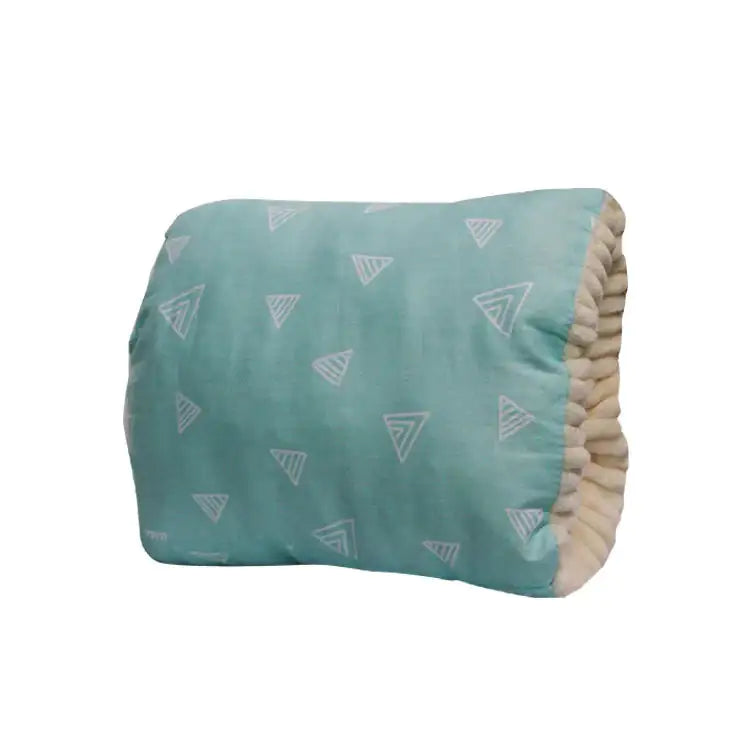
The Pet Harbor Cozy Nest can add softness and comfort to a resting area. Check the product page for current sizing and care information before placing it inside a crate.
For puppies that chew bedding or have frequent accidents, begin with a simple, durable, easy-clean mat. Remove any bedding that the dog tears, swallows, or uses for repeated elimination. Older, large, or stiff dogs may need more supportive bedding. Review the Pet Harbor orthopedic dog bed guide when evaluating support outside the crate.
Remove collars, tags, and harnesses before unsupervised crate time. These items can catch on crate wires. Provide only toys or chews that have already been tested under supervision.
How to Crate Train a Dog Step by Step
Step 1: Introduce the crate with the door open
Secure the door so it cannot swing into the dog. Place the crate in a social area and leave the entrance open.
Reward small signs of interest:
- Looking toward the crate
- Sniffing the entrance
- Touching the crate
- Placing one paw inside
- Walking fully inside
- Resting near or inside the crate
Use small, high-value treats. Do not push, pull, or force the dog inside. Keep sessions between one and five minutes at first. Repeat several times daily.
Step 2: Build positive associations
Toss treats near the entrance, then just inside, then toward the back. Add a cue such as “crate” or “kennel” only after the dog willingly enters.
Offer a special food toy or safe chew inside the crate with the door open. Feed meals beside the crate first if the dog appears uncertain. Move the bowl just inside, then gradually toward the back over several meals.
Step 3: Close the door for seconds
When the dog enters comfortably, give a treat and close the door for one to five seconds. Open it while the dog remains calm.
Repeat frequently. Increase the duration gradually:
- Five seconds
- Fifteen seconds
- Thirty seconds
- One minute
- Two to five minutes
If whining begins immediately or the dog stops eating, reduce the duration. The previous successful interval becomes the new training level.
Step 4: Add distance
Sit beside the crate while the door remains closed. Then stand, take one step away, cross the room, and briefly leave the room.
Change only one factor at a time. Do not increase distance, duration, distractions, and departure time simultaneously.

Step 5: Practice alone time
Once the dog can remain relaxed for approximately 30 minutes while you move around the home, begin short departures. Leave for one to five minutes, return quietly, and extend the time only after several calm repetitions.
Continue using the crate while you are home. This prevents the dog from learning that the crate always predicts isolation.
Crate Training a Puppy
Crate training a puppy requires frequent bathroom breaks and very short practice periods. Start as early as eight weeks, but adjust expectations to the puppy’s bladder control, sleep schedule, health, and temperament.
Use the approximate rule of one hour per month of age as an upper limit, not a target. Many puppies need breaks sooner.
- Eight to ten weeks: approximately one to two hours
- Three to four months: approximately two to three hours
- Five to six months: approximately three to four hours
Take the puppy outside after waking, eating, drinking, playing, and leaving the crate. At night, place the crate near the bedroom so bathroom needs can be noticed. Keep nighttime trips quiet and brief.
A puppy training timeline of approximately two to four weeks is common, but progress varies. Repeated accidents, panic, or refusal to enter require a slower plan.
Crate Training an Adult Dog or Rescue
Adult dogs can learn crate skills at any age. A rescue dog may need additional time if the crate resembles a previous negative experience.
Start with the door open. Sit nearby. Reward investigation and voluntary entry. Feed meals near the crate before moving food inside. Use closed-door sessions lasting seconds rather than assuming an adult dog can tolerate long confinement immediately.
A realistic timeline for crate training an adult dog is approximately four to eight weeks or longer. Past confinement, separation distress, fear, age, and health can extend the process.
Never force a fearful dog into the crate. Heavy panting, drooling, frantic scratching, escape attempts, trembling, or persistent barking indicate distress. Stop the session, return to an easier step, and consult a qualified veterinary behaviorist or certified trainer if panic continues.
How Long Can Dogs Stay in Crates?
Use the shortest practical period.
- Puppies: approximately one hour per month of age, with earlier breaks when needed
- Adult dogs: generally no more than four to six hours during the day
- Senior dogs, dogs with medical conditions, and newly adopted dogs: often require shorter intervals
- No dog should routinely remain crated for eight or more hours
Overnight use may differ because a healthy, house-trained adult dog may sleep for a longer period. Do not treat overnight tolerance as permission for extended daytime confinement. Provide exercise, bathroom access, enrichment, and social interaction outside the crate.
Troubleshoot Whining, Crying, and Barking
First check basic needs. The dog may need to eliminate, may be too hot, may be uncomfortable, or may have received too much exercise or stimulation.
For mild protest, do not open the door during whining. Wait for a brief pause, then release the dog calmly. Releasing during active whining can teach the dog that vocalizing opens the door.
If whining continues, shorten the next session and stay closer. Do not repeatedly ignore escalating panic. A dog attempting to escape, injuring the mouth or paws, drooling heavily, or showing frantic behavior needs immediate plan changes and professional support.
Never punish barking or crying. Never use the crate after a household mistake as a penalty.
Common Crate-Training Mistakes
- Choosing a crate that is too large or too small
- Increasing time too quickly
- Using the crate only when leaving home
- Skipping exercise and bathroom breaks
- Leaving a collar or harness on during unsupervised crate time
- Adding unsafe bedding or chews
- Releasing the dog during active whining
- Forcing a fearful dog inside
- Using the crate as punishment
- Treating the crate as a substitute for training or companionship
Crate Alternatives
A crate is not appropriate for every dog. Consider a puppy pen, a gated dog-proof room, a bedroom tether used under supervision, or a secure section of the kitchen. A pet sitter, dog walker, daycare service, or family member can reduce long confinement periods.
A dog that cannot remain safely confined may need a veterinary behavior assessment before crate training continues.
Start With One Calm Session Today
Measure the dog, choose a correctly sized crate, add a safe washable surface, leave the door open, and reward voluntary investigation. Build duration in seconds before expecting minutes. Track successful sessions and reduce difficulty whenever stress appears.
For additional comfort options, review the Pet Harbor Cozy Nest, Soft Plush Pet Bed, and full Pet Harbor collection. Pet Harbor offers pet-safe products, 24/7 customer support, and a 30-day return policy.
Further reading
- American Kennel Club: How to Crate Train Your Dog
- Humane World for Animals: Crate Training 101
- Best Friends Animal Society: How to Crate Train a Puppy or Dog
SEO Reporting Block
- Targeted keyword: how to crate train a dog
- Estimated monthly search volume: Approximately 18,100
- SEO difficulty: Approximately 8/100
- Reason for choosing the topic: High-volume, low-competition search intent with strong evergreen value. The topic answers urgent puppy, adult dog, rescue, house-training, travel, and safety questions while naturally supporting crate comfort products.
- Public PetHarborLLC.com URL: https://petharborllc.com/blogs/news/how-to-crate-train-a-dog
-
Next article ideas:
- How to Potty Train a Puppy: A Daily Schedule That Works
- How to Help a Dog With Separation Anxiety: Safe Steps and Professional Guidance
- Best Dog Beds for Crate Training, Senior Dogs, and Everyday Comfort