
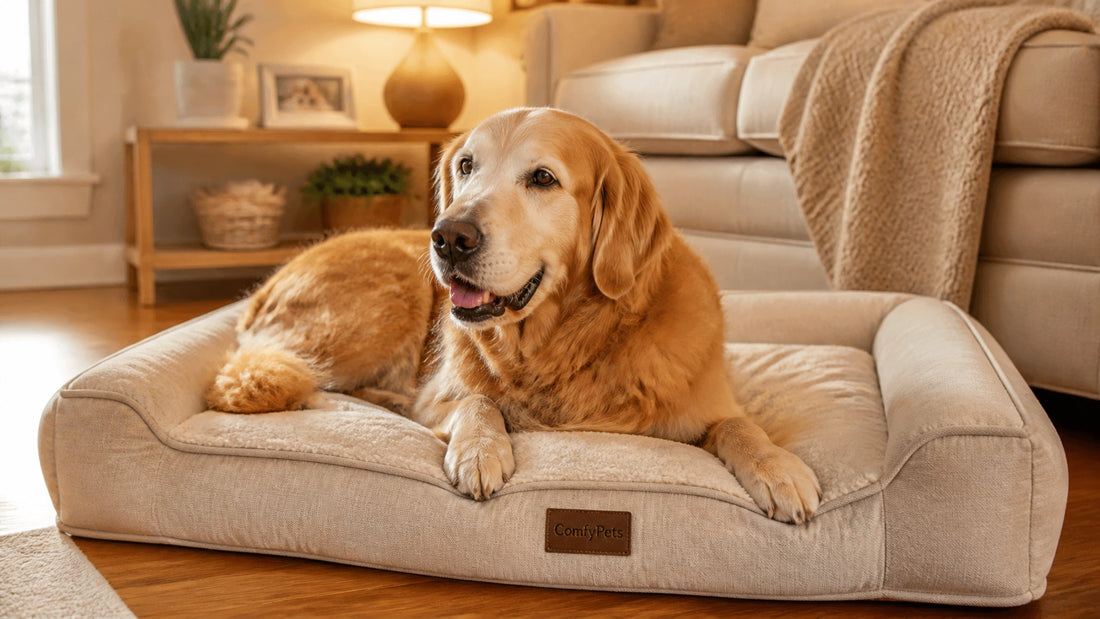
How to Choose the Best Orthopedic Dog Beds (Compared)
As dogs age or manage joint conditions like canine arthritis and hip dysplasia, their resting needs change dramatically. A standard plush pillow bed may look cozy in the store, but for dogs experiencing joint stiffness, it often means bottoming out onto a hard floor. Choosing the best orthopedic dog beds is one of the most impactful investments you can make for your pet's daily comfort, mobility, and long-term joint health.
In this comprehensive guide, we examine what truly makes an orthopedic bed effective, how to match thickness and foam density to your dog's size, and how to evaluate top market options compared to modern support solutions like those available at Pet Harbor.
What Does "Orthopedic" Actually Mean for Dogs?
In the pet product industry, "orthopedic" is frequently used as a marketing buzzword for any soft pillow. True orthopedic support, however, has a distinct mechanical definition: firm, even, high-density support that prevents a dog from bottoming out to the floor.

For a senior dog spending 12 to 14 hours a day resting, proper support achieves three critical goals:
- Pressure Relief: Distributes body weight evenly away from prominent skeletal points like hips, elbows, and shoulders.
- Spinal Alignment: Keeps the spine neutral during sleep, preventing muscle spasms and stiffness upon waking.
- Rebound Resilience: Maintains structural integrity over years of daily use rather than permanently compressing after a few weeks.
Key Factors When Comparing Orthopedic Dog Beds
Before purchasing a bed, evaluate four essential criteria tailored to your dog's specific physical needs.
1. Foam Density and Thickness
Foam quality is the single most important determinant of a bed's lifespan and therapeutic value. Look for high-density solid foam (ideally 4 lb/ft³ or higher) rather than shredded foam filling, which shifts and creates uneven pressure points.
- Under 50 lbs: Minimum 4 inches of quality foam.
- 50 to 90 lbs: 5 to 6 inches of high-density foam.
- Over 90 lbs / Giant Breeds: 6 to 7+ inches of clinical-grade foam to support heavy frames without compression failure.
2. Low Entry Height for Mobility
Senior dogs and dogs recovering from surgery struggle to lift their legs over tall bolsters. Look for beds featuring a low-profile entry point or flat mattress design so your dog can easily slide onto the resting surface without straining sore hips.
3. Waterproof Liners and Removable Covers
Incontinence and minor accidents are common in senior pets. A genuine orthopedic bed must include a waterproof inner lining protecting the foam core from moisture, paired with a durable, machine-washable outer cover.
4. Non-Slip Base
When arthritic dogs stand up, they push against the bed. A non-slip bottom prevents the bed from sliding across hardwood or tile floors, eliminating an unnecessary slip hazard.
Comparing Top Orthopedic Bed Categories
Different sleeping styles and physical conditions require different structural approaches. Here is how leading designs stack up:
| Bed Type | Best For | Key Advantage | Potential Drawback |
|---|---|---|---|
| Clinical Pillow-Top (e.g., Big Barker style) | Large/giant breeds, severe arthritis | Maximum thickness (7"), 10-year shape guarantee | Premium price point, heavy |
| Sofa-Style Bolster (e.g., PetFusion style) | Medium-large seniors who rest heads | Raised headrests, waterproof inner lining | Higher side bolsters require careful entry check |
| Cozy Cave & Nest Beds (e.g., Pet Harbor plush cave) | Small dogs, anxious pets, burrowers | Enclosed warmth, soft faux-fur texture | Not suitable for giant breeds or severe mobility loss |
| Budget Orthopedic (e.g., FurHaven/Bedsure) | Mild stiffness, lighter dogs, tight budgets | Affordable entry cost | Shorter foam lifespan (12–18 months) |
For small dogs and cats that prefer a secure, comforting nest, cozy options like the gray plush pet cave bed provide wonderful security, while playful additions like the pink paw-shaped pet bed combine aesthetic charm with plush comfort for lighter pets.


How to Test If Your Dog’s Current Bed Has Failed
Even premium beds degrade over time. Try the simple fist test: press your fist firmly into the center of the mattress.
- If the foam rebounds immediately, the support is intact.
- If your hand leaves a lasting depression or you can feel the floor beneath your knuckles, the foam has collapsed. Your dog is effectively sleeping on the hard ground, which accelerates joint discomfort.
Conclusion: Making the Right Choice for Your Companion
Investing in one of the best orthopedic dog beds is a direct investment in your pet's daily vitality and happiness. Take time to measure your dog while fully stretched out, add 8 to 12 inches for clearance, and prioritize high-density foam and waterproof protection over decorative styling alone.
Pet Harbor’s orthopedic and cozy pet bed collection is a great place to find high-density foam beds with waterproof protection and non-slip bases.
At Pet Harbor, we believe every pet deserves a safe, supportive, and ultra-comfortable resting space designed for a lifetime of wellness. Explore our curated selection of Pet Harbor comfort and care products to find durable, pet-safe solutions crafted with your family member in mind.